
Hyundai Sonata Brake Pads
Brake pads are a key part of your Hyundai Sonata’s braking system. When you press the brake pedal, the caliper squeezes the pads against the rotor, creating friction that slows and stops the car. Since brake hardware can vary based on model year, trim, axle position, and brake package, it’s important to choose pads that match your Sonata’s exact specifications. Avoid choosing pads based solely on appearance or overall size—always confirm fitment for your specific vehicle.
Genuine Hyundai Sonata brake pads are engineered to match the original factory braking system. This helps maintain consistent pedal feel, even wear, and reliable contact with the rotor. Whether you’re doing routine brake maintenance, replacing worn pads, or tackling a bigger brake job, OEM pads are a dependable option. Before ordering, check if you need front or rear pads and use your vehicle’s details to confirm the correct fit.

Brake Pads

Brake Pads

Brake Pads Front


Brake Pads Rear

Brake Pads Front

Brake Pads Rear


Brake Pads Front

Brake Pads Front
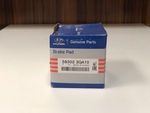
Brake Pads Rear
No results found for "brake pad". Here are some helpful search tips:
- Search by a part name. Example: water pump.
- Be less specific. Example: brake instead of ceramic brake.
- Remove information such as make, year or model.
- Can't find the part you are looking for? Contact us and we'll find it for you!
What to Know Before Buying Hyundai Sonata Brake Pads
TL; DR Summary
The correct brake pads depend on your Sonata’s year, trim, axle position, and braking setup. Genuine OEM pads are developed for the original brake system, making them a strong option for drivers who value straightforward fitment and factory-style braking characteristics. Before replacing pads, inspect the surrounding brake components for signs of uneven wear or damage.
Brake pads naturally wear down over time, but how they wear can tell you a lot about your braking system. If pads are much thinner on one wheel, it could mean the caliper isn’t releasing properly. A pad that’s worn unevenly or tapered might indicate restricted slide-pin movement. At the same time, grooves or heavy scoring on the friction surface may indicate a rotor that also deserves attention.
For a broader repair, shoppers can explore additional Hyundai brake components rather than assuming new pads alone will resolve noise, vibration, or uneven braking.
Front and Rear Pads Do Different Jobs
Front brake pads on the Hyundai Sonata take on most of the braking force, since the car’s weight shifts forward when you slow down. Rear pads help balance and stabilize braking, but they are often different in size, shape, and wear rate. Always treat front and rear pads as separate parts—they are not interchangeable, even if you’re replacing both sets during the same service.
Brake pad lifespan can differ even between Sonatas of the same model year. City driving, hills, stop-and-go traffic, and short trips all put extra stress on the brakes compared to steady highway driving. Because of this, mileage isn’t always the best indicator for when to replace pads—consider your driving habits and check pad thickness regularly.
Why OEM Fitment Matters During Brake Service
Aftermarket brake pads come in a range of materials and prices, but these differences can impact dust, noise, pedal feel, rotor wear, and braking response. Genuine OEM pads are designed to match the Sonata’s original brake dimensions and performance. If you want factory-fit, predictable braking, OEM pads remove much of the guesswork that comes with comparing aftermarket options.
Before you order, confirm your Sonata’s model year, trim, and VIN if possible, and whether you need front or rear pads. If you’re shopping for a different Hyundai sedan, use the specific Hyundai Elantra brake pads category instead of assuming similar models use the same parts.
Key Takeaways
- Brake pad wear patterns can help reveal caliper, slide-pin, or rotor concerns.
- Front and rear Sonata pads serve different braking roles and require separate fitment verification.
- Driving conditions can influence brake wear more than mileage alone.
- OEM pads offer factory-matched dimensions and braking characteristics.
- Replacing worn pads before severe friction-material loss may help prevent additional rotor damage.
Frequently Asked Questions
How do I know when my Hyundai Sonata needs new brake pads?
Common signs include squealing, increased stopping distance, reduced friction material during inspection, or a brake wear warning where equipped. Grinding can indicate advanced wear and should be investigated promptly.
Should new brake pads be installed on both sides of the axle?
Yes. Brake pads are normally replaced in axle sets so braking force remains balanced from left to right.
Do new Sonata brake pads need other parts?
Not always. Still, the rotors, calipers, hardware, and related brake components should be inspected during pad replacement. Refer to the Owner’s Manual and applicable service information for your specific Sonata.
What else can I add while servicing the wheels?
If the wheels are already being removed for brake work, it may be a convenient time to consider accessories such as Hyundai wheel locks for added wheel security.